

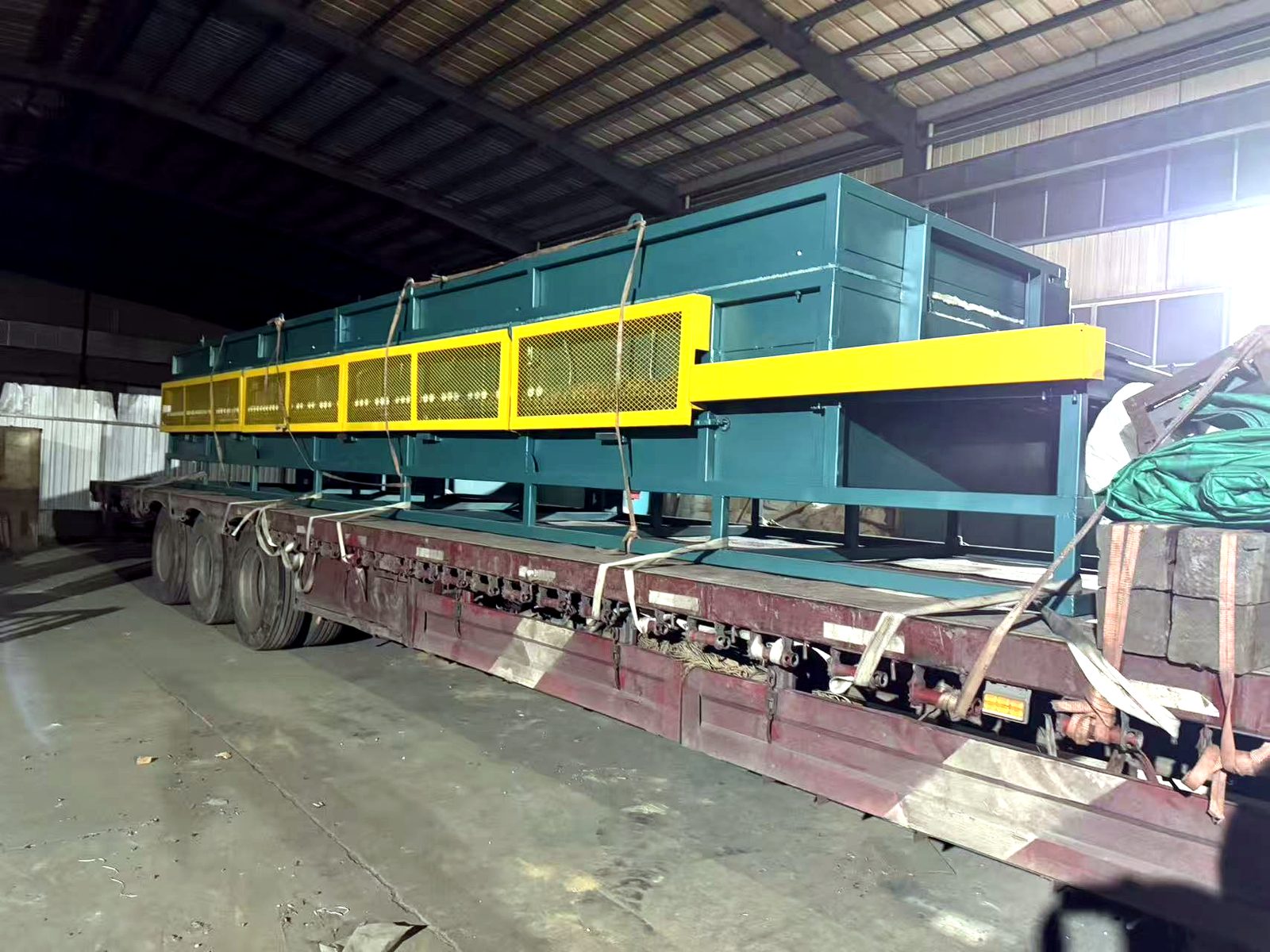
Built, wired and heated up
before it is packed.
Shell fabrication, lining, elements, controls and the final powered test all happen in our workshop in Linyi. The factory is family-run — the person who signs off the test is the person who owns the problem if it goes wrong.
A furnace is built in layers, not assembled from a catalogue.
We are not a trading desk forwarding your enquiry to a factory you never see. The workshop in Linyi cuts and welds the shell, builds the lining for the working temperature, mounts the elements and circulation system, assembles the controls and runs the powered test before anything is packed.
That matters most after delivery. If a furnace behaves unexpectedly, the answer comes from the people who built it — with the drawings, the element specification and the test record in hand.
- Shell fabrication, welding and painting in-house
- Ceramic-fibre and refractory-brick lining built to temperature
- Element, fan and control-cabinet assembly in-house
- Powered heat-up and electrical test before dispatch
- Export packing and shipping documents handled by the same team
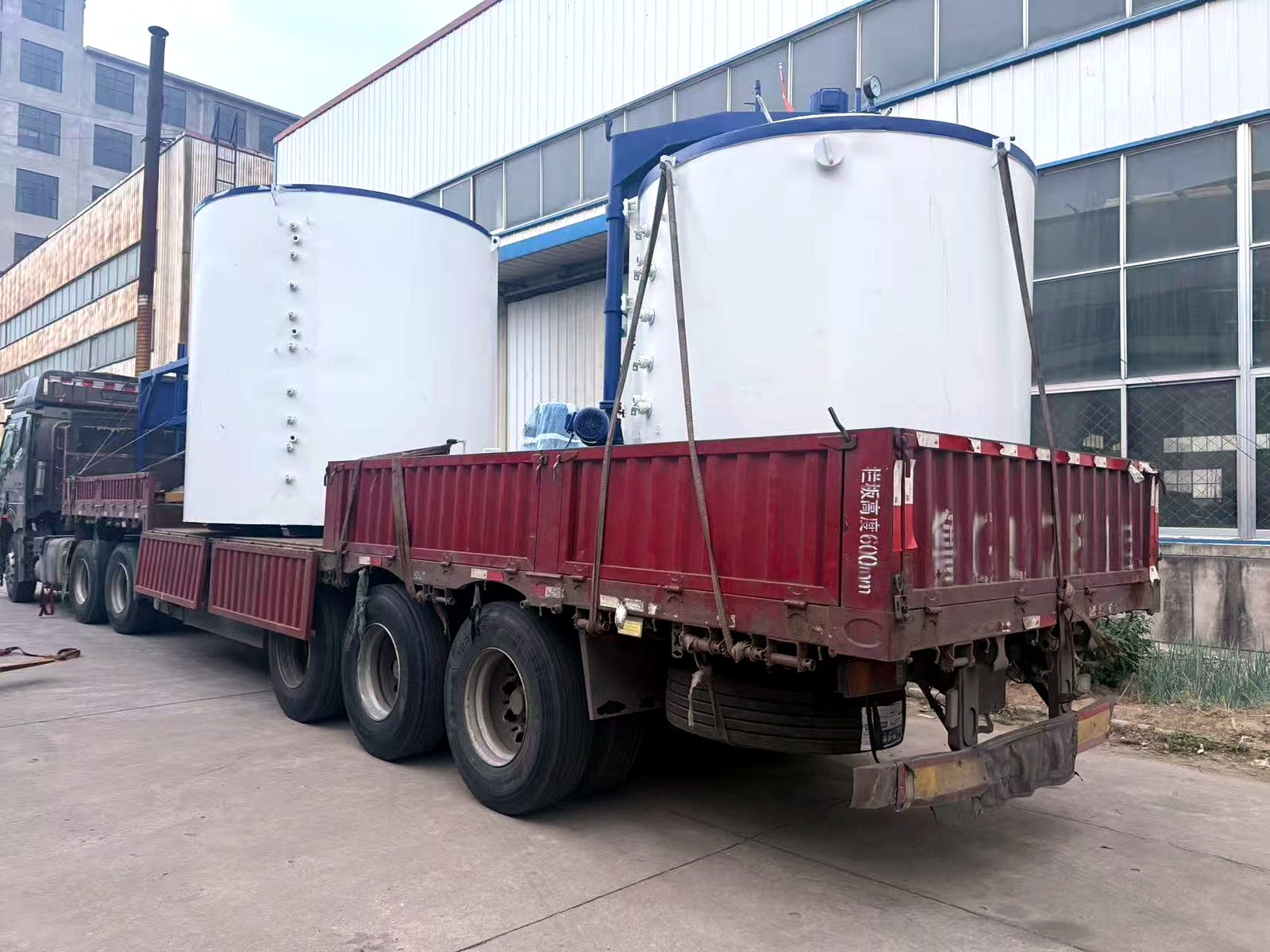
Four stages, one test at the end.
Every furnace follows the same route through the workshop, whichever model it is.
Steel shell
Plate is cut, welded, ground and painted. Shell thickness on our reference models is 2.75 mm — thick enough to hold its shape through years of heating cycles.
Lining
Ceramic fibre or refractory brick, selected for the working temperature and the process. The lining is what determines how much heat stays in the chamber and how cool the outside of the furnace stays.
Heating and control
Resistance elements on ceramic supports, circulation fan where the process needs it, and the power and control cabinet wired to the same drawings that ship with the machine.
Test before packing
Every furnace is powered up before dispatch: heat-up, temperature control and electrical safety are checked, then the unit is packed for sea freight with the documentation set.
What is checked,
and what is written down.
- Parameters checked against the order: chamber, power, temperature, voltage
- Electrical safety: insulation, earthing, protection devices
- Heat-up and temperature-control test, with the record kept
- Door, fan and interlock operation under power
- Appearance and paint inspection before packing
- Packing checked for sea freight: moisture protection and shock protection
- Shipping documents reviewed before the container is sealed
Supplied with every furnace.
| Product certificate | Factory certificate of conformity for the unit. |
| Factory test report | Electrical safety, heat-up and temperature-control records. |
| Material certificates | Heating elements, refractory materials and steel plate. |
| Electrical drawings | Schematic and terminal schedule, labelled to the cabinet. |
| English manual | Operation, maintenance and spare-parts list. |
| CE (LVD + MD) test report | For customer verification and tender submissions. |
| ISO 12100 risk assessment | Machinery safety risk assessment document. |
| IEC electrical safety report | Test report for the 415 V / 50 Hz supply. |
| RCEP certificate of origin | Issued on request, so the furnace can enter Malaysia at the preferential tariff rate. |
Declared, tested, documented.
Industrial furnaces of this size are not in the household-appliance certification regime in Malaysia, but the safety file is what customers and their own inspectors ask for. We supply it.
CE (LVD + MD) test reports
Low-voltage and machinery-directive test reports, for customer verification and tender submissions.
ISO 12100 risk assessment
Machinery safety risk assessment documenting the hazards and the protective measures on the machine.
IEC electrical safety tests
Electrical safety test reports for the 415 V / 50 Hz / 3-phase build supplied.
Where a destination market asks for a local voluntary assessment, we say so clearly before the order rather than after: the documentation list is agreed in the quotation, and the electrical installation on site is carried out by a locally licensed electrician.