

Processes, temperatures
and the furnace that fits.
Heat treatment is a set of temperature-and-time decisions. These are the six processes our furnaces are bought for, what each one does to the metal, and which furnace family suits it.
Six processes.
Six different furnaces.
The same steel can be made hard, soft, tough or stress-free depending on how it is heated and cooled. The furnace is chosen around that decision, not the other way round.
Quenching / hardening
Austenitise the part, then cool it fast enough to form martensite and raise hardness.
820–880 °C for common carbon steels
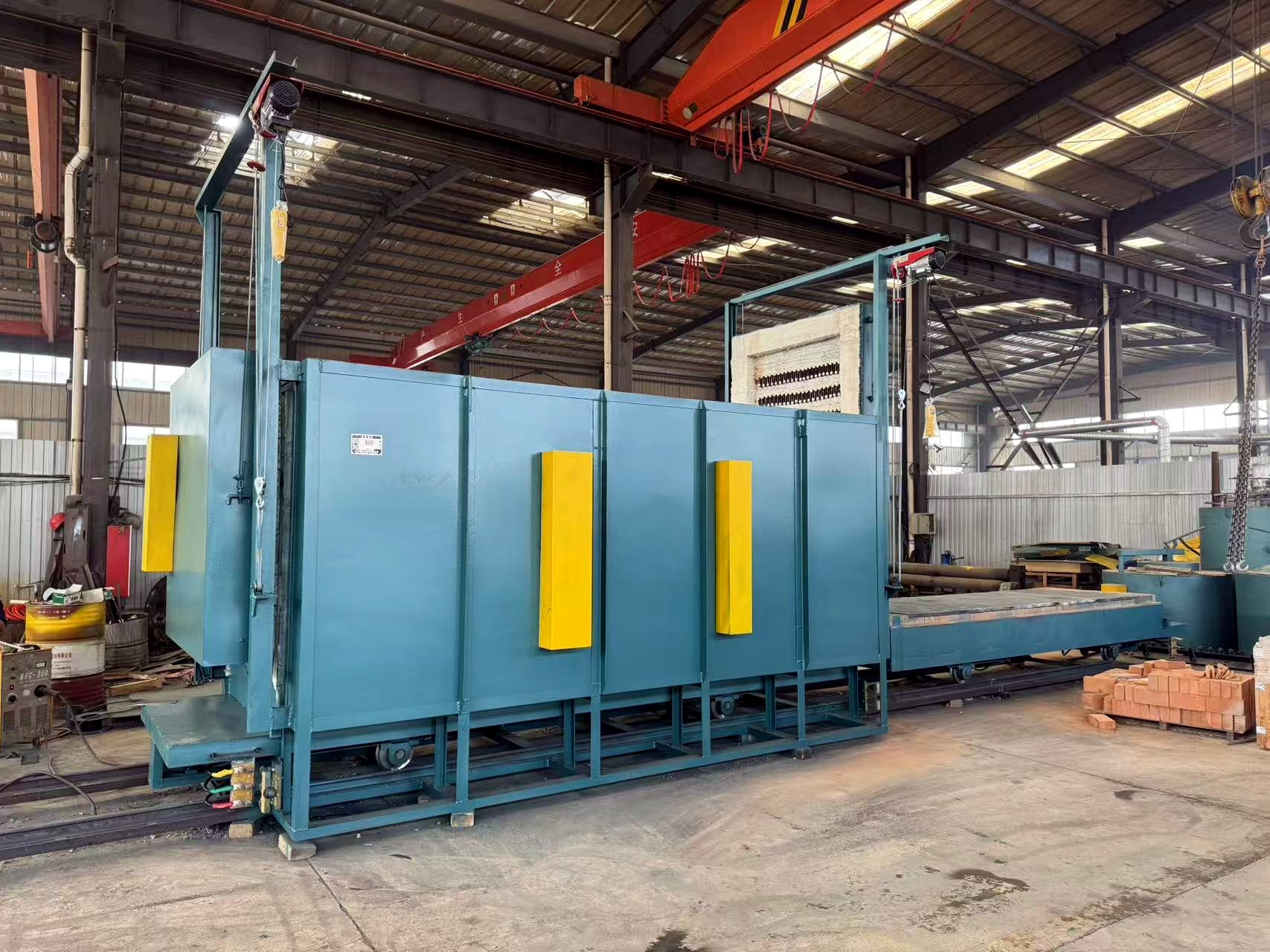
Furnaces: Lift-door box, car-bottom
Tempering
Reheat a hardened part to trade some hardness for toughness and relieve quenching stress.
150–650 °C, depending on the target hardness
Furnaces: Side-open box, lift-door box
Annealing
Soften the part, remove internal stress and refine grain before machining or forming.
700–900 °C, furnace cooled
Furnaces: Lift-door box, car-bottom, roller hearth
Normalising
Reset the grain structure of a casting, forging or weldment to a uniform condition.
850–950 °C, air cooled
Furnaces: Car-bottom, lift-door box
Stress-relief annealing
Hold below the transformation temperature so residual stress relaxes without changing hardness.
550–680 °C, slow cool
Furnaces: Side-open box, car-bottom
Aluminium ageing
Precipitation-harden aluminium parts with a long, tightly controlled low-temperature soak.
150–200 °C, long soak
Furnaces: Side-open box with air circulation
Process, temperature, furnace.
Typical starting points for common carbon and alloy steels. Ranges vary with grade and section size — confirm the cycle with your metallurgist before committing a furnace specification.
| Process | Typical range | Furnace family |
|---|---|---|
| Quenching / hardening | 820–880 °C for common carbon steels | Lift-door box, car-bottom |
| Tempering | 150–650 °C, depending on the target hardness | Side-open box, lift-door box |
| Annealing | 700–900 °C, furnace cooled | Lift-door box, car-bottom, roller hearth |
| Normalising | 850–950 °C, air cooled | Car-bottom, lift-door box |
| Stress-relief annealing | 550–680 °C, slow cool | Side-open box, car-bottom |
| Aluminium ageing | 150–200 °C, long soak | Side-open box with air circulation |
The shops behind the parts.
Our furnaces go to metalworking and fabrication businesses — mostly small and medium factories running mixed batches rather than one part forever.
Hardware & fasteners
Bolts, nuts, screws and stamped parts, run in baskets or on trays.
Steel fabrication
Weldments and structural parts that need normalising or stress relief before machining.
Mould & die
Die blocks, inserts and tooling that need hardening, tempering and stress relief.
Automotive parts
Shafts, gears, brackets and springs in small and medium batch production.
Machinery & equipment
Machine parts, shafts and housings where dimensional stability after machining matters.
Aluminium processing
Extrusions, castings and machined parts that are aged to a specified temper.
How the furnace gets chosen.
Four decisions fix almost every specification. We ask them in order, and the answers usually narrow the range to one or two builds.
Temperature first
Under 700 °C is a tempering or ageing furnace; 1,000 °C is a hardening furnace. That single number decides the elements, the lining and the door.
Then the load
Part size, batch weight and how it is loaded (by hand, crane or trolley) set the chamber and the door type.
Then the volume
One or two batches a day is a box furnace. Continuous volume is a roller-hearth line.
Then the site
Voltage, frequency, available floor space and headroom decide the final electrical build.